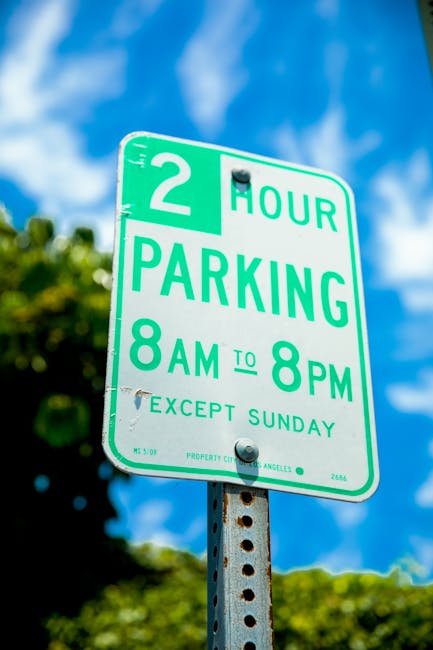
Enfield Council parking rules for Palmers Green removals: a practical guide for a smoother moving day
Moving home in Palmers Green sounds simple enough on paper. Book the van, pack the boxes, carry everything out, job done. Then the reality arrives: a tight street, parked cars on both sides, a neighbour's hatchback sitting exactly where the van needs to stop, and a very impatient clock. That is where Enfield Council parking rules for Palmers Green removals start to matter in a very real way.
If you are trying to avoid tickets, blocked access, awkward delays, or the kind of last-minute stress that makes a moving day feel twice as long, you need a clear plan. This guide breaks down how parking, loading, waiting, and access usually work in the area, what to think about before the van arrives, and how to stay on the right side of local restrictions. It is written for people moving house, flat, student accommodation, or even furniture only. And yes, the little details really do make a difference.
Along the way, you will also find practical links to useful moving services and guides, like house removals in Palmers Green, man and van support in Palmers Green, and a helpful guide on decluttering before moving day. A bit of planning now can save a lot of faff later.
Table of Contents
- Why Enfield Council parking rules for Palmers Green removals matters
- How Enfield Council parking rules for Palmers Green removals works
- Key benefits and practical advantages
- Who this is for and when it makes sense
- Step-by-step guidance
- Expert tips for better results
- Common mistakes to avoid
- Tools, resources and recommendations
- Law, compliance, standards, or best practice
- Options, methods, or comparison table
- Case study or real-world example
- Practical checklist
- Conclusion
- Frequently asked questions
Why Enfield Council parking rules for Palmers Green removals Matters
Parking is not just a background detail on moving day. In Palmers Green, it can be the difference between a tidy, well-paced move and a slow, stressful one with the removal van circling the block while someone runs downstairs shouting, "There's nowhere to stop!" Sound familiar?
Enfield Council parking controls are there for a reason: traffic flow, resident access, safety, and keeping roads usable. For removals, those same controls affect where the van can stop, how long it can stay, whether a loading bay can be used, and whether a permit or suspension may be needed. If you ignore that side of the move, you risk fines, lost time, extra lifting distance, and the kind of friction neighbours remember for weeks.
It matters even more on narrower Palmers Green streets, where one poorly placed vehicle can block a whole row. A short walk from the property might not sound like much, but when you are carrying a wardrobe, mattress, or stack of boxes in drizzle at 8 a.m., every extra metre counts. That is why people often choose a service like local removal services in Palmers Green that understands the area and can plan the vehicle position sensibly.
Key idea: parking rules are not there to make moving harder. They are there to keep the street workable. The smartest move is to work with them, not against them.
How Enfield Council parking rules for Palmers Green removals Works
To keep things practical, think of parking for removals in three layers: the legal restrictions on the street, the loading or unloading needs of your move, and the vehicle position that gives your team the shortest safe carry.
Depending on the exact road, you may encounter resident permit bays, shared-use bays, pay-by-phone spaces, yellow lines, timed restrictions, loading restrictions, or loading bays. Some areas also have controlled parking zones or operational hours that change what is possible at certain times of day. The details can vary from one street to another, so the first step is always to check the specific location rather than assume the whole neighbourhood works the same way. That little assumption has caught out plenty of people, honestly.
For removals, there is also a distinction between parking and loading/unloading. A vehicle may be able to stop briefly for loading in places where normal parking would not be allowed, but that does not mean "stop anywhere and leave the van there all afternoon." The rules are usually about necessity, duration, and obstruction. If a removals van is left in a way that blocks traffic or causes danger, that is where trouble starts.
In practical terms, good moving-day parking usually comes down to one of the following:
- using an authorised bay for the time needed
- loading from a legal kerbside space close to the entrance
- arranging a permit, dispensation, or bay suspension where appropriate
- coordinating timing so the van arrives when space is more likely to be available
If your move involves a larger item set, a removal van in Palmers Green may need a more deliberate parking plan than a smaller van. Bigger vehicles are less forgiving on tight streets. That is just the truth of it.
Key Benefits and Practical Advantages
Planning parking properly is not just about avoiding penalties, though that is certainly part of it. It also makes the move feel calmer and more organised. And on moving day, calm is worth its weight in boxes.
- Less carrying distance: The closer the van gets to the door, the less physical strain and time spent moving items.
- Reduced risk of damage: Fewer awkward turns and shorter outdoor carries mean a lower chance of scuffs, drops, or wet packaging.
- Better timing: When the van can stop where it should, loading and unloading run more predictably.
- Lower stress: Nobody enjoys hunting for a space while the clock ticks and the keys are due back.
- Improved neighbour relations: A move that is tidy, brief, and considerate tends to go down much better on a residential street.
There is also a practical financial angle. If you waste time hunting for parking, you often waste labour time too. That does not mean every move becomes expensive if things go slightly off-track, but it can add friction. A well-placed van can make a one-hour job feel like a well-organised one, rather than a long, messy afternoon.
If you are already comparing moving help, it is worth looking at pricing and quotes alongside parking access. The cheapest option on paper is not always the best value if the vehicle cannot get near the property easily.
Who This Is For and When It Makes Sense
This topic matters for more people than you might expect. It is not only for full house moves with bulky furniture. If a van needs to stop on or near a controlled road, the parking question is relevant.
You should pay close attention if you are:
- moving out of a flat, maisonette, or terraced house in Palmers Green
- using a man and van service or a larger removal vehicle
- moving during busy weekday hours when kerb space is limited
- handling large items such as sofas, beds, wardrobes, or appliances
- coordinating multiple helpers and need a safe, legal loading point
- moving from a road with resident permits, loading restrictions, or timed bays
Students often underestimate this part, especially if they are moving from upper-floor accommodation or smaller rented rooms. A couple of boxes and a mattress can still be a parking problem if the street is tight. The same goes for office or business moves, where timing may be less flexible. For those, office removals in Palmers Green usually need a more structured access plan.
In our experience, the people who benefit most from planning ahead are the ones who are already juggling a lot: work calls, school runs, end-of-tenancy cleaning, and that one drawer you forgot to empty until 11 p.m. the night before. Moving day has enough noise in it already.
Step-by-Step Guidance
Here is the simplest way to tackle parking for a Palmers Green removal without making it into a big production.
- Check the exact street and outside space. Look at the bay markings, signs, yellow lines, and any loading restrictions. Do not rely on memory alone. Streets change, signs change, and what used to be fine last year may no longer be.
- Decide what type of vehicle you need. A smaller van may fit where a larger one cannot. If you are moving a lot of furniture, consider whether a bigger vehicle will actually save time overall.
- Plan the loading point. Aim for the shortest safe route from property to van. Sometimes that means using a different side of the road, or even a nearby legal bay, rather than the obvious spot directly outside.
- Allow for timing. Early morning can be easier on some streets, but not always. School traffic, commuters, refuse collection, and delivery vehicles can all change the picture.
- Consider whether a permit or suspension is needed. For some streets, especially where a bay must be reserved or temporarily unobstructed, you may need to arrange something in advance through the council process.
- Build in buffer time. Even a well-planned move can hit a snag: a parked car, a delayed key handover, or a resident returning home unexpectedly.
- Brief everyone involved. Make sure helpers know where the van will stop, which items go first, and where not to park their own cars.
A good moving rhythm matters. If you are preparing boxes, this is also the point to use packing and boxes in Palmers Green support or follow a sensible plan from this packing guide. Packing and parking are linked more closely than people think. If the boxes are ready, the van can load fast. If the van can load fast, parking becomes easier to manage. Simple, really.
Practical summary: the best parking arrangement is the one that keeps the van legal, the carry short, and the street as unblocked as possible.
Expert Tips for Better Results
These are the kinds of details that make a move feel smoother in the real world.
- Measure awkward items in advance. If the sofa or mattress is oversized, you may need more space at the vehicle side and a cleaner route from door to van.
- Pre-pack a loading zone inside the home. Keep the hallway clear. One pile of last-minute items near the door is manageable; a maze of loose bags is not.
- Use a trolley where appropriate. For short distances and hard flooring, a trolley can save time and reduce strain, but only if the route is level and clear.
- Think about weather. A light shower in Palmers Green can quickly turn cardboard soft and slippery. Even a damp pavement changes how carefully things need to be carried.
- Move the biggest items first. Sofas, beds, and wardrobes often set the rhythm of the load. See how to plan a bed and mattress move if those are part of your list.
- Do not overfill the van parking spot. Keep enough room for safe opening, lifting, and movement around the vehicle. Tight is fine. Unsafe is not.
If you are moving a piano, the parking plan deserves extra care. A route that looks "fine" on the street can become awkward once you factor in weight, balance, and the angle of the doorway. The guide on DIY piano moving risks is worth reading if that applies to you. To be fair, pianos have a way of reminding everyone who is boss.
Another often overlooked detail is decluttering. Removing unwanted items before moving day can shorten loading time and reduce the number of trips between the front door and the vehicle. That is why decluttering techniques are such a quiet win.
Common Mistakes to Avoid
A few small errors are responsible for most moving-day parking problems. The good news is that they are easy to avoid once you know what to watch for.
- Assuming the same rules apply everywhere in Palmers Green. They often do not. One road may allow brief loading, another may not.
- Leaving parking until the day itself. By then, your options are often much narrower.
- Forgetting about height or width restrictions. A van that fits on the road still needs room to manoeuvre safely.
- Blocking dropped kerbs, driveways, or crossings. That can create complaints or enforcement issues very quickly.
- Relying on "just a minute" thinking. Five minutes has a habit of becoming twenty when keys, boxes, and people are all in different places.
- Not telling your removals team about access issues. A good crew can work around awkward conditions much better if they know in advance.
There is also a hidden mistake: underestimating the value of preparation. People often spend ages comparing boxes, bubble wrap, and vans, then leave the parking plan until the morning. That is the bit that can undo all the careful work. A bit unfair, maybe, but that's moving life for you.
For a less frantic day, it helps to read tips for a relaxed house moving day and line them up with your access plan. The calmer your staging is, the less likely parking becomes a problem.
Tools, Resources and Recommendations
You do not need a huge toolkit, but the right information and a few simple items can make the job much easier.
- Street check: review the road signs, bay markings, and any local restrictions before moving day.
- Mobile notes or photos: take pictures of signs and access points so you can refer back if needed.
- Moving essentials: blankets, tape, labels, a trolley if suitable, and weather protection.
- Clear packing method: sensible labelling and consistent box sizes speed up loading.
- Timed delivery coordination: if your move has a fixed schedule, use a service that can work to that timing, like flexible delivery timing support.
For people who want hands-off help with preparation, the option to pack items and wait for collection can be useful, especially when parking access is already complicated and you want the loading to happen efficiently. If you need a broader overview of available options, the services overview is a sensible starting point.
If you are moving on short notice, same-day removals in Palmers Green can be helpful, but the parking plan becomes even more important because there is less time to correct mistakes. Same-day moves are a bit like cooking while the guests are already at the door. Possible, yes. Relaxing? Not always.
Law, Compliance, Standards, or Best Practice
Parking rules on public roads are not something to improvise. Even where a vehicle can stop briefly for loading, the position and duration still need to be sensible and lawful. In London, councils typically manage parking through local traffic orders, controlled parking zones, loading restrictions, and permit systems. The exact position in a particular street depends on the signage and local controls in force there.
For removal day, the safest approach is to treat council parking guidance as the baseline and then plan your move around it. That means checking whether the street requires a resident permit, whether loading is allowed at the time you need, and whether an obstruction could create an issue. If you are unsure, do not guess. A quick check is far better than a ticket or complaint.
Best practice in removals also includes:
- keeping the vehicle from blocking emergency access
- avoiding unnecessary idling or extended obstruction
- ensuring loads are secure before driving away
- protecting floors, walls, and communal areas during the carry
- respecting neighbours, especially on narrow residential roads
For general safety standards, it is worth choosing a provider that takes moving safety seriously. You can review insurance and safety information alongside the health and safety policy so you know what to expect. If you are booking a service and want the practical side covered properly, that reassurance matters.
And because moving often raises trust questions too, supporting pages like terms and conditions and privacy policy are part of a proper, transparent service. Not exciting reading, admittedly, but useful.
Options, Methods, or Comparison Table
There is more than one way to handle parking for a removal, and the best option depends on the street, time, and size of the move. Here is a simple comparison.
| Parking approach | Best for | Pros | Trade-offs |
|---|---|---|---|
| Kerbside loading near the property | Small to medium moves on accessible streets | Fast loading, short carry, simple setup | May not be possible on restricted roads or busy periods |
| Pre-arranged permit or bay arrangement | Moves in controlled parking areas | More reliable space, less last-minute stress | Needs advance planning and may involve admin |
| Nearby legal space with trolley transfer | Tight streets or very busy roads | More flexible, can avoid obstruction | Longer carry, more physical effort, slower overall |
| Timed off-peak move | Residential areas with heavy daytime congestion | Better chance of finding space, fewer interruptions | May not suit all tenancy handovers or schedules |
For most people, the sweet spot is simple: use the closest legal space available, avoid overcomplicating it, and give yourself enough time to load without rushing. If your home is a flat, flat removals in Palmers Green can be especially sensitive to parking access because stairs, entrances, and communal areas all slow things down.
Case Study or Real-World Example
Here is a realistic example based on the kind of move that comes up often in Palmers Green.
A family moving from a terraced house on a narrow residential road had a large sofa, two beds, a freezer, and around thirty boxes. On the first look, the van could not sit directly outside the door because the available space was already taken by resident cars. Instead of forcing the issue, the moving plan was adjusted the day before: items were packed earlier, the loader arrived at a quieter time, and the van used a legal spot a short distance away.
The carry took a bit longer, but the move stayed calm. No one had to keep shuffling a van to avoid a complaint. The freezer was kept upright and handled properly, following the kind of advice you would see in this freezer moving guide. The sofa was wrapped and protected, and the team worked in a steady rhythm. Not flashy. Just efficient.
What made the difference was not luck. It was the parking plan. Once the team knew the van could not sit in the ideal spot, they stopped trying to make the ideal spot happen and focused on the best legal alternative. That small shift saved time and avoided unnecessary risk. A boring success, if you like. But boring is wonderful on moving day.
Practical Checklist
Use this checklist the day before your move, or even earlier if you can.
- Confirm the exact property address and nearest street access point.
- Check bay markings, yellow lines, loading restrictions, and permit signage.
- Decide whether the move needs a small van, larger removal van, or just a man and van setup.
- Tell your removals team about any steps, steep entrances, or communal access issues.
- Keep boxes packed, labelled, and grouped by room.
- Clear the hallway, doorstep, and any lift or stair landing if applicable.
- Set aside valuables, documents, and essentials for personal transport.
- Plan where the van can stop legally if the preferred spot is unavailable.
- Build in extra time for parking, traffic, and short delays.
- Have a contact number ready in case the crew needs to coordinate on arrival.
Quick reminder: if you are cleaning out the old property too, the guide on cleaning your old home thoroughly is a useful companion piece. A tidy property and a clear loading route go hand in hand.
Get a free quote today and see how much you can save.
Conclusion
The simplest way to think about Enfield Council parking rules for Palmers Green removals is this: parking is part of the move, not something separate from it. Once you accept that, the rest becomes easier to plan. Check the street, understand the restrictions, choose the right vehicle, and leave enough breathing room for the unexpected.
That approach reduces stress, keeps the day legal and organised, and helps the move feel like a controlled process rather than a scramble. Whether you are moving a studio flat, a family home, or just a few awkward pieces of furniture, a smart parking plan makes everything else smoother. And let's face it, everyone appreciates a move that starts on the right foot.
If you want support from a team that understands local access issues, look at man with van services in Palmers Green or removals in Palmers Green and build from there. The best moving days are the ones where the practical details are handled before they become problems. Small win, but a proper one.
Frequently Asked Questions
Do I need a parking permit for removals in Palmers Green?
It depends on the street, the bay type, and the time you need the vehicle to stop. Some roads allow brief loading, while others sit within controlled parking zones or have restrictions that make advance planning sensible.
Can a removals van stop on yellow lines in Enfield?
Sometimes brief loading may be tolerated where the rules allow it, but that is not a free pass to park anywhere. You should always check the actual restrictions for the road and avoid causing obstruction.
What is the difference between parking and loading?
Parking means leaving the vehicle in place for a period. Loading is a short stop for active loading or unloading. The distinction matters because some streets allow loading in places where parking would not be permitted.
How far in advance should I check parking arrangements?
Ideally a few days before the move, or earlier if you are on a restricted street. Leaving it until the morning usually creates avoidable pressure.
What if there is no space outside my property?
You may need to use a nearby legal space, arrange a permit or bay suspension where relevant, or schedule the van for a quieter time. A short extra carry is often better than risking a ticket or complaint.
Are flat moves harder because of parking?
Often, yes. Flats can involve communal entrances, stairwells, and more awkward carrying routes, so parking close by becomes even more valuable. That is why flat removals in Palmers Green benefit from extra planning.
Can I just use a friend's car to reserve a space?
That is a risky habit and can create neighbour problems or breach local restrictions. It is better to use legal parking arrangements rather than informal space-saving tricks.
Do same-day moves make parking issues worse?
Usually yes, because there is less time to check restrictions, plan the load, or adjust the schedule. If you need a quick turnaround, same-day removals in Palmers Green should be arranged with parking in mind from the outset.
What should I tell my removals company about parking?
Tell them the exact address, any restrictions, whether there is off-street access, and how close the van can legally get to the door. A good team can work with that information and plan properly.
Will parking issues affect the price of my move?
They can, because difficult access may take longer to load and unload. That said, clear information upfront gives you a better quote and avoids nasty surprises later.
Is it worth decluttering before moving day if parking is tight?
Absolutely. Fewer items mean fewer trips, faster loading, and less time the van needs to stay in place. A good declutter can be a surprisingly effective parking solution.
What if I am moving a large or awkward item like a piano?
Then parking and access should be treated as part of the item plan, not an afterthought. Heavy or fragile items need room, coordination, and proper handling. If that is your situation, the piano removals service may be the safer route.