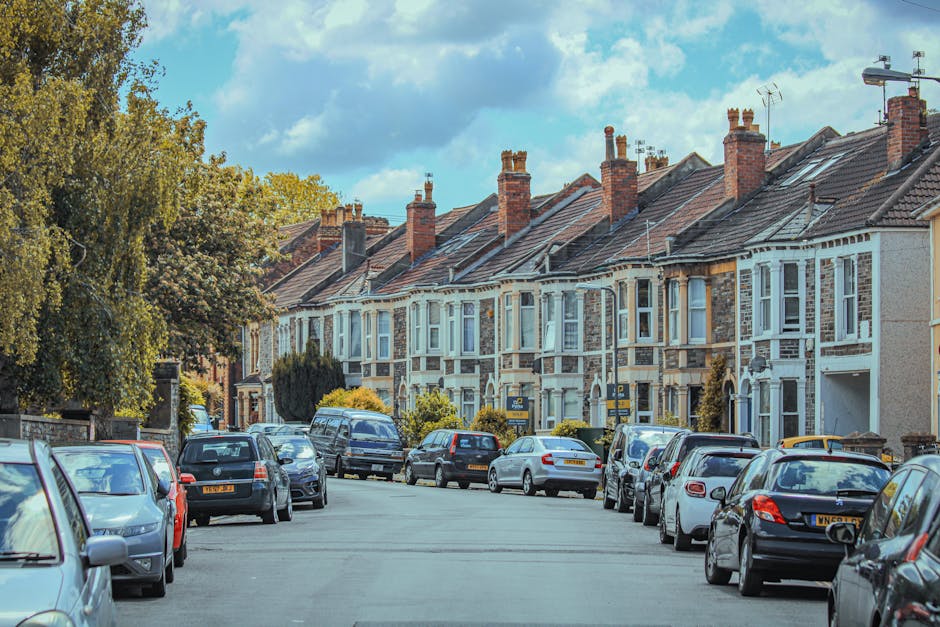
N13 narrow street removals guide for terraced houses
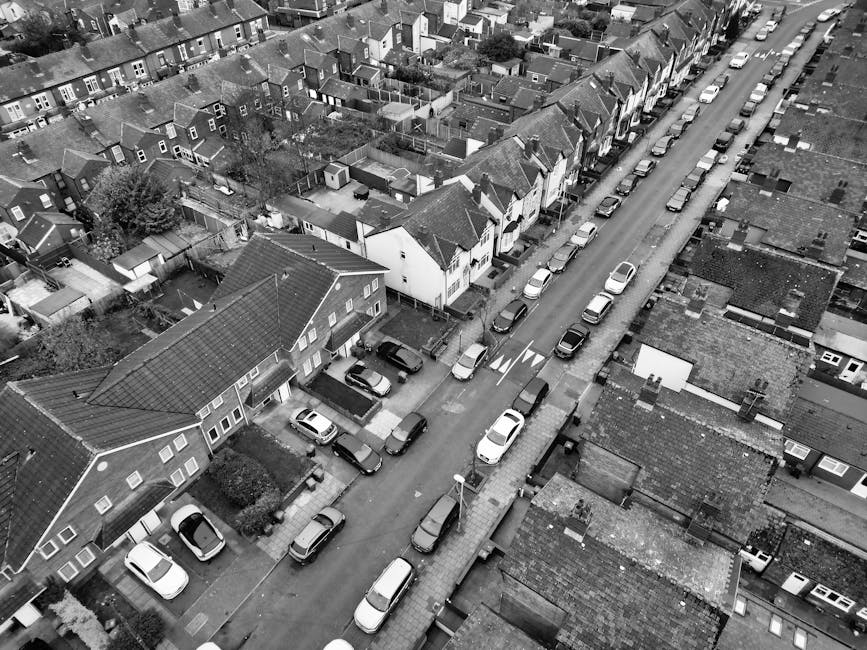
Moving home in N13 can feel straightforward on paper and then suddenly a bit tight, literally. Terraced streets, parked cars, narrow front paths, steep stairs, low ceilings, awkward turns at the landing - all of it can turn a normal move into a puzzle. This N13 narrow street removals guide for terraced houses is built for exactly that kind of day: the kind where a sofa looks fine in the lounge but suspiciously wide once it reaches the hallway. The good news? With the right planning, the right vehicle choice, and a sensible approach to packing and access, a cramped street move can still run calmly and on time.
In this guide, you'll find practical steps for planning, lifting, loading, parking, protecting your property, and deciding when professional help is the smartest move. If you are comparing options, you may also find it useful to browse the full range of removal services or look at house removals support in Palmers Green for a broader idea of what a managed move can include.
Key takeaway: in narrow N13 terraced streets, success usually comes down to three things: access planning, item preparation, and a vehicle strategy that fits the street rather than fighting it. Simple enough. Not always easy, but very doable.
Why N13 narrow street removals guide for terraced houses Matters
Terraced houses are lovely for character, but they can be unforgiving on moving day. In N13, streets can be tight, parking may be limited, and neighbours are often close enough to hear every bump, scrape, and muttered apology. A move that would be routine on a wider road can become time-consuming if the van cannot park sensibly, if bulky furniture has to be carried too far, or if the access route has not been checked properly.
That matters for three reasons. First, the extra distance between the van and the front door increases risk: more lifting, more fatigue, more chance of damage. Second, narrow access slows the whole job down, which can affect timing and cost. Third, terraced properties often have internal pinch points too, such as stair turns, narrow landings, and doors that do not quite open wide enough. It is a classic combination, really: tight outside, tight inside, and a moving day timetable that does not care.
We see the same pattern over and over in local moves. The people who fare best are usually the ones who treat access as part of the move itself, not as a minor detail. That means checking the street, planning where the van will stop, deciding what can be dismantled, and preparing items in a way that makes the load faster to handle. If you are also trying to declutter before the move, decluttering techniques for moving efficiency can make a surprisingly big difference to how manageable the day feels.
How N13 narrow street removals guide for terraced houses Works
The basic process is simple: reduce friction at every stage. In practice, that means planning the move so the route from inside the house to the van is as short, safe, and uncluttered as possible. For a terraced house in a narrow street, the operation usually starts before moving day, not on it.
Here is what that often looks like in real life:
- Access check: measure the street width, note turning space, and identify where a van can safely stop without blocking driveways or creating a headache for passing traffic.
- Item breakdown: dismantle beds, remove table legs, empty drawers, and protect fragile surfaces before anything gets carried out.
- Load sequencing: place the bulkiest or heaviest pieces first in the van, then build around them with boxes and softer items.
- Carry route planning: keep the hallway clear, protect corners, and make sure the path from door to van is as straight as possible.
- Timing control: load at a steady pace, avoid bottlenecks on the pavement, and keep the team in a clear rhythm.
If you prefer a more hands-off approach, packing everything properly and letting the removal team collect it later can be a good fit. That is exactly the sort of arrangement described in package your items and wait for us to come, which suits people who want the heavy work managed with less back-and-forth on the day.
There is also the question of delivery timing. Narrow streets can be much easier to work with early in the morning or at quieter parts of the day. Coordinating the arrival window carefully can save a lot of stress, so it is worth considering flexible delivery timing when your schedule is tight.
Key Benefits and Practical Advantages
When a narrow-street move is planned properly, the benefits are more practical than glamorous, but they matter all the same.
- Less handling distance: the closer the van can get, the less lifting and carrying is needed.
- Lower damage risk: fewer turns, fewer trips, fewer awkward manoeuvres through tight doorways.
- Better time control: a planned access route keeps the job moving and helps avoid the classic "where shall we put the van?" shuffle.
- Reduced neighbour disruption: tidy loading, shorter stops, and less pavement congestion tend to keep things calmer.
- More realistic vehicle choice: not every move needs the biggest van available; sometimes a better-suited vehicle is the smarter option.
One overlooked benefit is mental. A well-planned move feels less chaotic. That sounds soft, but it is real. Once the access route is sorted and the furniture is broken down in advance, the day stops feeling like a scramble. You can actually breathe. Funny how that helps.
For bulky or awkward furniture, specialist handling is often worth it. If you are moving sofas, for instance, proper protection and loading discipline matter a lot, and the advice in sofa storage and protection guidance is useful because the same caution applies to transport as well as storage.
Who This Is For and When It Makes Sense
This guide is most useful if you live in a terraced house on, or near, a narrow street in N13 and you are moving:
- from a two-up-two-down or extended terraced property
- from a house with a tight hallway, small landing, or steep stairs
- from a street with limited parking or frequent traffic
- with large furniture, white goods, or fragile items
- on a tight schedule, such as completion day or tenancy handover day
It is also relevant if you are helping parents, tenants, or students and want to reduce last-minute chaos. Student moves, for example, often involve many boxes, less furniture, and a hard deadline. In that case, student removals support may be a more sensible fit than trying to wing it with multiple car trips.
If your house move overlaps with a business relocation, or you are moving home office kit as well as furniture, the planning changes again. That is where office removals assistance and a clear schedule can help keep things from getting muddled.
Step-by-Step Guidance
1. Walk the route before you book anything
Start with the street itself. Look at parking, pavement width, traffic flow, and whether there is room for doors to open safely. Check where a van could wait without blocking a neighbour's driveway or causing a bottleneck. If you are moving in winter or in the evening, remember that damp pavement, poor light, and cold hands make everything feel harder. A lot harder, to be fair.
2. Measure the awkward items
Do not guess. Measure the sofa, mattress, wardrobe, fridge, and any item with a fixed frame. Then measure stair width, doorway height, hallway turns, and landing space. If something looks close, it probably is. A centimetre here or there can decide whether an item goes through upright, sideways, or not at all.
3. Decide what can be dismantled
Terraced house moves usually become much easier when beds, tables, shelving, and some wardrobes are taken apart. Keep screws, bolts, and fittings in labelled bags. Tape those bags to the item if appropriate, or keep them in a clearly marked box. It sounds small. It saves time later.
4. Pack for the carry route, not just for storage
Boxes should be manageable, evenly packed, and clearly labelled. Heavy books in small boxes, light bedding in bigger boxes - you know the drill. If you want a cleaner house-moving system overall, a structured packing plan is worth reading before you start tape-and-box mode.
5. Protect the building as well as the furniture
Hallways in terraced houses take a lot of traffic on moving day. Use coverings where needed, protect corners, and keep door frames safe from knocks. It is easier to prevent a scuff than to explain one after the fact. No one enjoys that conversation.
6. Load in the right order
Heavy, stable items first. Softer items and boxes around them. Fragile things should not be squashed into the last gap because it looked convenient at the time. Loading order is one of those boring details that pays off immediately.
7. Leave a clear path for the exit and arrival
Do not let spare bags, dust sheets, recycling, or random bits pile up in the hallway. A clear route keeps the move smooth and reduces trip hazards. If you are hoping for a calmer moving day overall, these relaxed moving-day ideas fit neatly with this approach.
Expert Tips for Better Results
A few details separate a decent move from a genuinely smooth one.
- Use smaller boxes than you think you need. Terraced-house stairs and narrow landings punish overpacked boxes.
- Keep one "open first" box. Put in basic tools, charger cables, kettle bits, bin bags, tea, and documents.
- Wrap corners, not just faces. The edges of wardrobes, tables, and mirrors catch on doorways more often than you expect.
- Pre-fit mattresses and bedsheets. A bed frame that has been dismantled but not grouped properly becomes a headache later.
- Park for the exit, not just the arrival. The van needs a sensible departure angle too.
For heavier lifting, technique matters as much as strength. If you are carrying items yourself, take a look at practical lifting guidance for handling weight safely. And if you simply want a reminder that pushing through with bad form is a terrible plan, movement and lifting mechanics can help make the point without being preachy.
One small but useful tip: keep a roll of tape in your pocket, not buried in a box. It disappears exactly when you need it. Every time.
Common Mistakes to Avoid
The same problems crop up again and again in narrow street terraced moves. Most are avoidable, which is the annoying part.
- Booking a van too large for the street. Bigger is not always better if it cannot stop safely near the property.
- Leaving access checks until moving day. That is how people discover the street is tighter than they remembered.
- Overpacking boxes. Heavy boxes slow the move, strain the team, and increase the chance of a dropped item.
- Forgetting appliance prep. Fridges, freezers, and washing machines need proper preparation before transport.
- Not protecting stairs and corners. One bad turn can scuff paint or damage the item.
- Assuming every item will fit without dismantling. Often, it will not.
If a freezer is part of the move, proper preparation matters a lot more than people expect. A useful reminder is how to prepare a freezer for moving. Likewise, if you are moving a bed and mattress, the bed and mattress moving plan is worth following so the job does not get awkward halfway up the stairs.
Tools, Resources and Recommendations
You do not need a warehouse of equipment to move well, but you do need the right basics.
| Tool / resource | Why it helps | Best used for |
|---|---|---|
| Removal blankets | Protects furniture and painted surfaces | Sofas, tables, headboards, mirrors |
| Ratchet straps | Stops items sliding in transit | Fridges, wardrobes, stacked boxes |
| Bubble wrap and paper | Cushions fragile surfaces | Glass, ceramics, lamp bases |
| Tape and labels | Keeps dismantled parts organised | Beds, tables, shelves |
| Furniture sliders | Makes short internal moves easier | Heavy items on hard floors |
| Small and medium boxes | Prevents overloading | Books, kitchenware, household items |
For buyers who want a more complete setup, it can be worth combining packing materials with a proper collection plan. Packing supplies and boxes are useful when you want the move to feel organised rather than improvised, and a suitable removal van matters when the street itself is part of the challenge.
If you expect some items to stay in storage between properties, especially in a staggered move, storage options can take a lot of pressure off the schedule.
Law, Compliance, Standards, or Best Practice
For a domestic move in the UK, the practical compliance points are mostly about safety, property access, and sensible handling. You do not usually need a legal lecture, but a few standards of behaviour matter.
First, loading must not create unnecessary obstruction or danger on the street. In narrow residential roads, that means keeping an eye on access for neighbours, pedestrians, and emergency vehicles where relevant. Second, lifting should follow safe manual-handling practice. That does not mean no one ever lifts anything, because life is not that tidy. It means using team lifts, proper posture, and the right equipment where needed. Third, check whether the mover carries suitable insurance and has clear safety procedures. If you are hiring help, that peace of mind is not fluff; it is part of the service.
It is also sensible to review terms, pricing, and any limits on what can be moved or stored. Transparent paperwork makes a moving day much less slippery. If you want to understand how a provider frames that side of the service, insurance and safety information is the kind of page worth checking early. You may also want to review health and safety guidance and the service terms before confirming anything.
For pricing clarity, it is wise to compare quotes carefully and ask what is included. Hidden extras usually show up in narrow-access jobs when the street setup was never discussed properly. If you are comparing offers, pricing and quote details can help you ask better questions from the start. That small bit of preparation saves a lot of awkwardness later.
Options, Methods, or Comparison Table
There is no single best method for every terraced-house move. The right choice depends on volume, access, budget, and how much lifting you want to do yourself.
| Method | Best for | Pros | Limitations |
|---|---|---|---|
| DIY with a hired van | Small moves, low furniture volume | Can be cheaper, flexible timing | Higher physical effort, parking stress, more risk |
| Man and van | Medium moves, local terraced streets | Good balance of cost and support | Less capacity than larger removal crews |
| Full removal service | Large households, bulky furniture, tight access | Less stress, more help with loading and handling | Usually costs more than basic transport only |
| Split move with storage | Staged completions or renovation gaps | Flexible, reduces day-of pressure | Requires extra planning and coordination |
For many N13 terraced-house moves, a man and van arrangement is the sweet spot. It is flexible enough for narrow streets, but not so large that the vehicle dominates the road. If you are still weighing up your options, man and van support in Palmers Green is a useful reference point. For slightly different job sizes, man and a van and man with van services can be worth comparing too.
Case Study or Real-World Example
Here is a realistic example from the kind of move that comes up often in terraced areas. A couple were leaving a two-bedroom terraced house with a narrow front path, a compact hallway, and a landing that turned tightly at the top of the stairs. Nothing dramatic. Just enough awkwardness to make the day unpleasant if handled badly.
They did three things right. They measured the large items the week before. They dismantled the bed frame and removed table legs in advance. And they agreed a van arrival window that avoided the early school-run rush on the street. On the day, the team kept the hallway clear, loaded the bulkiest pieces first, and wrapped the stairs and corners because the paintwork was quite fresh. The move still took focus, but it never felt frantic. The sofa came through on the second try, which is not glamorous, but it worked because the route had been planned properly.
That same sort of planning also helps when the property is not a house but a flat with staircase access problems. If that sounds familiar, staircase access solutions are worth a look because many of the same principles apply.
And if you need support with a more mixed or time-sensitive move, such as a same-day handover, same-day removals can be a practical backup when plans are moving faster than you'd like. Truth be told, that happens more often than people admit.
Practical Checklist
Use this before moving day. It keeps the important bits from slipping through the cracks.
- Measure the widest furniture pieces and the tightest internal spaces
- Check parking and van access on your street
- Dismantle beds, tables, and any bulky flat-pack furniture
- Pack heavy items into smaller boxes
- Label every box by room and priority
- Protect corners, bannisters, and door frames
- Clear hallways, stairs, and landings
- Prepare appliances properly before transport
- Set aside essentials for the first night
- Confirm timings and arrival details with your mover
- Review insurance, safety, and terms before you book
If you are still at the planning stage, cleaning your old home thoroughly is one of those tasks that feels annoying now but much better later. And yes, it is usually worth doing before the last box disappears.
If you want help turning a narrow-street move into a calm, well-managed day, speaking with a local removals team early can make the whole process easier.
Get a free quote today and see how much you can save.
Conclusion
A narrow street move in an N13 terraced house is not something you want to improvise. The street layout, parking limitations, and tight interior access all reward planning. But once you break the move down into manageable parts - measure, dismantle, pack properly, choose the right van, and keep the route clear - it becomes far more controllable than it first looks.
The aim is not perfection. It is momentum, safety, and less stress. If you handle those three well, the rest tends to follow. And when the final box is in, the hallway is empty, and the kettle is back on, the whole day starts to feel worth it. Moving is still moving, of course. But it does not have to be a mess.
Frequently Asked Questions
What makes N13 terraced house removals harder than a standard house move?
The main issues are narrow roads, limited parking, and compact internal layouts. Terraced houses often have tighter hallways, stairs, and landings too, so bulky furniture needs more planning than usual.
Do I need a smaller van for a narrow street move?
Not always, but vehicle size should match the road and loading space. A van that can park safely close to the property is usually better than a larger one that creates access problems.
Should I dismantle furniture before the move?
Usually, yes. Beds, tables, shelving, and some wardrobes are much easier to carry if broken down first. It also helps protect walls and door frames.
How do I know if my sofa will fit through the hallway?
Measure both the sofa and the narrowest points in the route, including doors, stairs, and turns. If it looks tight on paper, it is probably tight in real life too.
Is a man and van service enough for a terraced house move?
Often it is. For medium-sized home moves in narrow streets, a man and van setup can be a good balance of support, flexibility, and cost.
What should I pack first for a narrow street removal?
Start with items you use least often, then work through heavier or more awkward possessions early enough to avoid last-minute pressure. Keep everyday essentials in a separate box.
How can I reduce damage during a narrow access move?
Protect corners, use blankets and wraps, keep hallways clear, and avoid overloading boxes. Damage often happens during tight turns, not when something is sitting still.
Are same-day moves realistic in N13 terraced streets?
They can be, but only if access is manageable and the job size is realistic. Short notice leaves less room for mistakes, so clear communication matters even more.
What if parking is difficult outside my house?
Plan the loading point ahead of time and be realistic about the walking distance between the door and the van. If parking is especially tight, talk through the street layout before booking.
Do I need storage between moves?
Sometimes. Storage helps when completion dates do not line up, when renovation work is ongoing, or when you want to move in stages rather than all at once.
What should I check before booking a removals company?
Look at insurance, safety procedures, pricing clarity, and whether they understand narrow-access jobs. It is also sensible to confirm what is included in the quote and how access issues are handled.
How far in advance should I plan a terraced house move?
As early as you can, ideally once your moving date is becoming real rather than hypothetical. Even a short local move benefits from early access checks and packing decisions.
Can I move appliances myself in a terraced house?
You can, but it is not always wise. Appliances are awkward, heavy, and more likely to cause strain or damage if handled without proper preparation and enough help.
What is the biggest mistake people make on narrow street moving day?
The biggest one is assuming the street will be fine without checking it properly. The second biggest is overpacking boxes. Those two together can turn a manageable job into a long afternoon.